
What Is USDT (Tether) and Why You Need It — Explained Simply
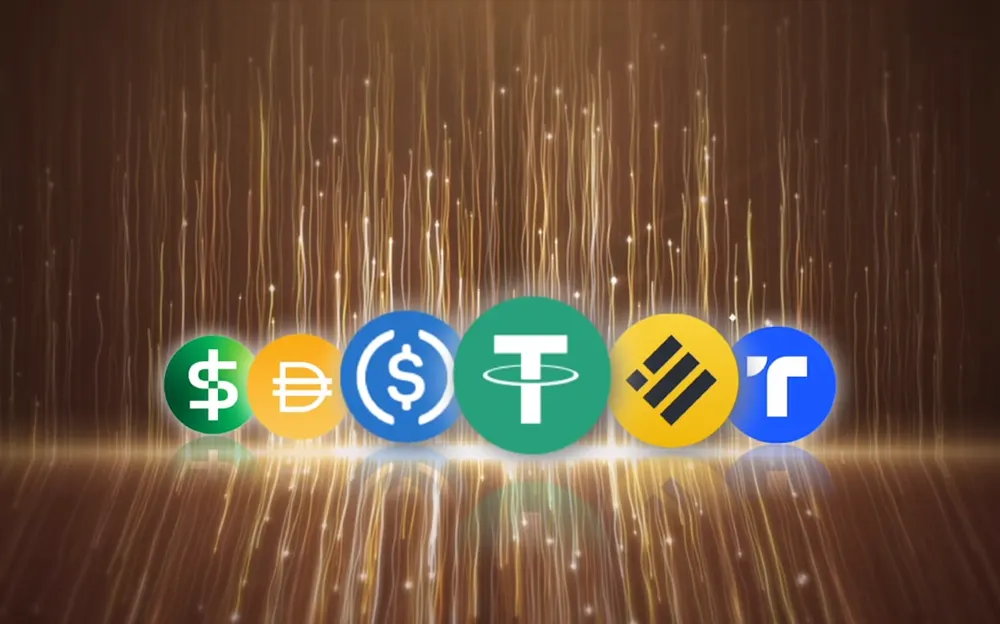
What Is USDT and Why You Need It — Explained Simply
If you've ever heard about cryptocurrency, you've probably come across the abbreviation USDT. It's one of the world's most popular cryptocurrencies by trading volume — and yet one of the least understood by beginners. We explain it simply, without jargon.
USDT Is Not an Ordinary Cryptocurrency
USDT (Tether) is what's called a stablecoin. Unlike Bitcoin or Ethereum, its price doesn't fluctuate. 1 USDT is always approximately equal to 1 US dollar. Why? Because Tether Limited holds real dollars in bank accounts as reserves — one dollar for every USDT issued.
Simply put: USDT is a digital dollar that can be sent anywhere in the world in seconds.
3 Real-Life Use Cases for USDT
Scenario 1: Protection from Price Volatility
You sold Bitcoin at its peak and received money. But you don't want to convert to rubles and don't want to hold BTC. The ideal solution: convert to USDT. Example: sold 0.1 BTC for ~$1,000 in USDT. A week later BTC drops 20%. If you'd held BTC, you'd have lost $200. In USDT — nothing lost.
Scenario 2: International Transfers Without Banks
Sending money to Armenia, Kazakhstan or Turkey via SWIFT takes 3–5 business days and costs 2–5%. Via USDT on TRC-20 network — 2–3 minutes and about $1 fee. Sending $500 through a bank costs $10–25 in fees plus 3–5 days of waiting. Via USDT (TRC-20): $1 fee, 2 minutes.
Scenario 3: Bridge Between Cryptocurrencies
Want to exchange BTC for ETH? The standard path: BTC → USDT → ETH. Two operations with minimal spread instead of one expensive one.
USDT on Different Networks
- ERC-20 (Ethereum): fee $2–15
- TRC-20 (TRON): fee ~$1, best for transfers
- BEP-20 (BSC): fee $0.05–0.30
- TON: fee under $0.01, instant
Risks of USDT
USDT is not perfect. Risks include counterparty risk if Tether Limited fails, regulatory risk from government actions, and the fact that USDT is not government-insured like bank deposits.
Conclusion
USDT is an indispensable tool for everyone working with cryptocurrency. It's a digital dollar: stable, fast, cheap to transfer. Use it as a "parking spot" for funds between trades, for international transfers, and as an intermediate currency when exchanging crypto.